.svg)
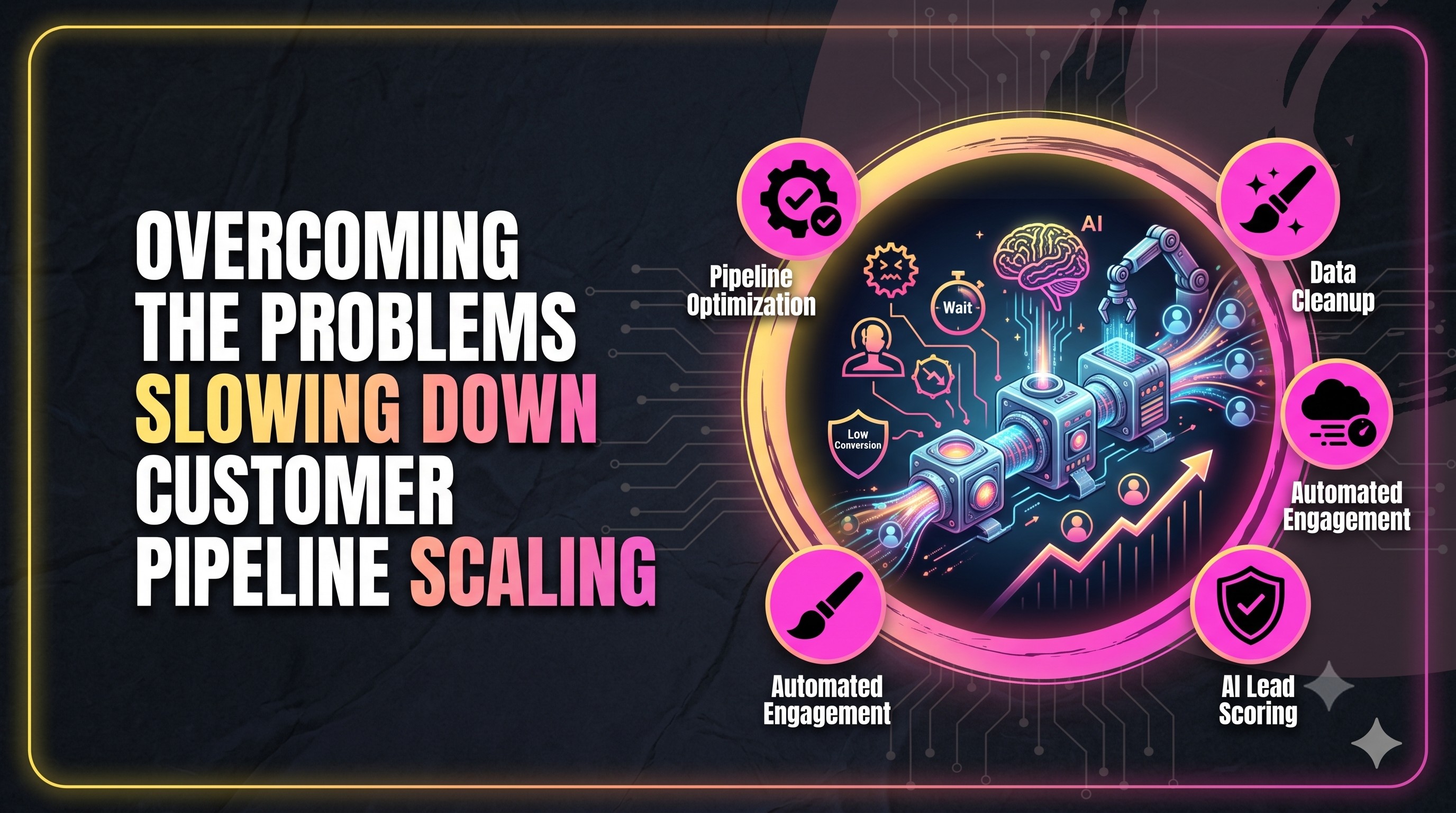
Learn how to overcome enterprise credential barriers, streamline customer pipeline intake, and secure data access using conversational AI tools.
Scaling a commercial pipeline requires seamless execution at every point of customer contact. However, many enterprise organizations run into a major growth barrier: credential friction. To protect core databases, IT departments tightly control software access, requiring multi-factor authentication, enterprise logins, and localized network permissions for even basic administrative tasks.
When every customer inquiry, stock check, or quote request requires a team member to log into multiple gated enterprise systems, pipeline velocity drops significantly. Field reps, trade counter teams, and external partners end up spending more time managing login credentials and navigating software permissions than engaging with clients. Removing credential barriers without compromising enterprise security is essential for scaling customer pipelines efficiently.
Restricting pipeline access behind complex corporate credentials creates severe operational friction. Industry research from the Okta Business at Work Report shows that the average enterprise manages over 80 distinct app integrations, creating massive identity management overhead and daily login friction for operational teams. Furthermore, research from the Ping Identity Enterprise Security Index indicates that credential delays and multi-factor authentication loops account for up to 22% of lost productivity across customer-facing roles.
When sales and intake workflows are locked behind rigid corporate credentials, several pipeline bottlenecks emerge:
If your sales pipeline relies on manual credential verification for basic customer interactions, your business loses momentum to nimbler competitors with friction-free intake channels.
The solution to credential friction is not lowering security standards or handing out unrestricted database logins. Instead, modern enterprise architectures use isolated API gateways to separate customer-facing communication from core infrastructure.
A private conversational AI assistant acts as an authenticated intermediary. Operating over secure SMS, WhatsApp, and email lines, the assistant interacts directly with customers in natural language. When a prospect requests pricing, stock verification, or a project quote, the assistant validates the request using single-use security tokens. It queries your internal database behind the firewall, extracts the necessary data, and delivers an immediate answer to the customer—all without exposing user credentials or giving external users access to your central software.
Removing credential barriers allows your commercial pipeline to scale continuously while maintaining complete corporate oversight. Delivering instant responses over familiar messaging channels eliminates user login friction and dramatically improves lead conversion rates.
Data from our own SalesAPE 2026 AI Adoption Survey confirms that 56.8% of business leaders view execution speed as the primary advantage of conversational automation. In addition, 54.1% of prospective buyers prefer an immediate, automated 60-second response over waiting for manual account provisioning or complex portal setups. Automating customer intake through secure, credential-free conversational channels protects your enterprise architecture, frees up your sales team, and accelerates revenue growth across every sales territory.
Ready to remove credential barriers and scale your customer pipeline securely? We promise no high-pressure sales routines, zero automated marketing spam tracking, and no unsolicited phone calls. You can explore a live view of our private platform through our online scheduling system or reach out directly to our security and compliance team at hello@salesape.ai to review our isolated architecture protocols.
The platform uses isolated token integrations and secure API routing to process incoming requests, allowing prospects to verify pricing and stock over text without logging into an enterprise portal.
No, the assistant operates within a closed operational environment using air-gapped API pathways, ensuring external users never gain direct access to your internal databases or network credentials.
Yes, your IT team maintains granular control over data access, setting explicit rules on what information the assistant can retrieve and share during automated customer conversations.