.svg)
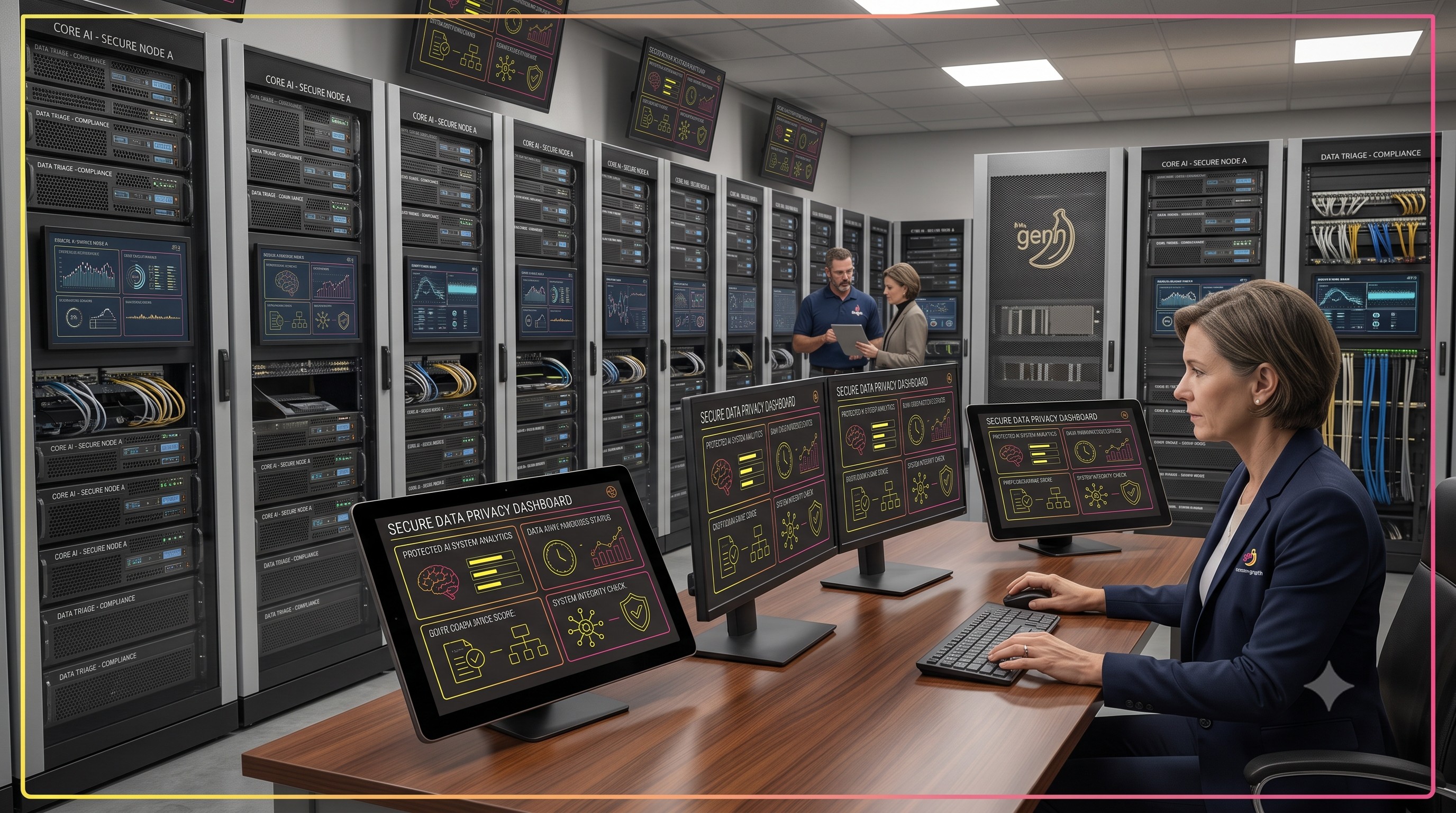
When you do not offer your team an official, secure path to use advanced technology, they will inevitably find a way around your restrictions. Employees are constantly looking for ways to crush their daily workloads, and if your corporate software procurement process takes months, staff will simply start using personal accounts on their phones or web browsers. This unmanaged technology usage creates a massive security blind spot that puts your proprietary company information at extreme risk.
Waiting for a major data breach to happen before you secure your ecosystem is an incredibly expensive strategy. To catch hidden software and protect your operational records, you need to execute a proactive, structural audit across your entire business network before data leakage occurs.
You cannot secure what you cannot see, so the first step of your audit involves mapping exactly where your digital files are traveling. Employees rarely use unapproved platforms out of malice; they do it because they want to work faster and eliminate boring data entry from their daily shifts. However, when they paste sensitive client details, project specifications, or proprietary pricing sheets into public chat boxes, that information gets absorbed into massive external systems.
According to security benchmarks from the DataFence Shadow IT Discovery Report, unapproved applications account for a staggering 42% of all software platforms running within a typical company. To pull these hidden habits into the light, your operations lead should coordinate a comprehensive technical diagnostic:
Finding these connection points lets you pinpoint exactly which departments are experiencing the most administrative friction and where your security perimeter is vulnerable.
Once you uncover the unapproved tools running across your departments, do not just issue blanket reprimands or shut down access. Smart business leaders realize that shadow AI usage is actually a highly accurate roadmap showing exactly where your internal business processes are broken or too slow. If your sales reps or field staff are secretly using public generative AI apps, it means your official platforms are failing to support their day-to-day productivity needs.
The risk of ignoring this behavior is severe. Security findings from the IBM Cost of a Data Breach Report reveal that one in five organizations studied suffered a direct security breach due to incidents involving ungoverned shadow AI. Even worse, those specific incidents added an average of $670,000 to the total cost of the breach, with 65% of the cases resulting in the exposure of customer personally identifiable information (PII). Reviewing what your team is trying to achieve—whether they are drafting quick customer replies or sorting messy data sets—lets you map out the exact tasks that require a secure alternative.
The final step of your audit is completely removing the temptation to go rogue by deploying an official, secure AI workspace that keeps your data fully isolated. If you just lock down the network without solving the underlying workload problem, your crew will simply switch to personal cellular data on their mobile phones, making your data perimeter completely invisible. Research shows that providing a fully approved corporate alternative results in a massive 89% drop in unauthorized AI usage almost overnight.
When you roll out a private conversational framework, you give your workforce the instant speed advantages they want while maintaining strict data governance over your company records. Ensure your secure environment is built on key protection rules:
Ready to clear out shadow AI risks and empower your team with a completely secure, closed conversational brain? We promise absolutely no high-pressure sales routines, zero endless automated email tracking loops, and no unsolicited phone calls. You can get an exact look at our secure workspace in action through our online scheduling system or drop a direct line to our data compliance crew at hello@salesape.ai to discuss your specific infrastructure needs.
Staff usually run unapproved applications simply to get their jobs done faster, meaning strict corporate bans fail if the official tools provided are too slow, clunky, or difficult to use during a busy shift.
A private conversational assistant keeps your data entirely isolated within your own ecosystem, meaning your proprietary workflows and client files are never exposed to public databases or used for external model training.
Yes, the platform features native integration pathways to link up with your current internal databases and business tools securely, allowing you to automate tasks without risking your digital perimeter.