.svg)

Unmask AI deception! Learn the ultimate guide to spotting subtle visual tells (hands, shadows, text) in AI-generated images and audio/lip-sync flaws in deepfake videos before you share them.
The line between reality and generation is vanishing fast. Tools like Sora, Midjourney, and other cutting-edge models are creating images and videos so realistic they can easily fool the eye. This rise of "Deepfakes" and hyper-realistic AI-generated content is a huge public concern, leading to everything from viral hoaxes to serious misinformation.
At SalesApe, we're focused on building transparent, ethical AI agents, which means we spend a lot of time analyzing the technical flaws in generative models.
If you are a consumer of social media, news, or even just email, developing a critical eye is your best defense. Here is your ultimate guide to spotting the subtle, tell-tale glitches that expose an AI-generated image or deepfake video.
The best modern image generators are brilliant, but they still struggle with real-world complexity, physics, and human anatomy. The key is to zoom in and look beyond the subject.
AI's biggest weakness has historically been the complex, variable structure of the human body:
AI often fails to render consistent real-world physics, especially in complex lighting:
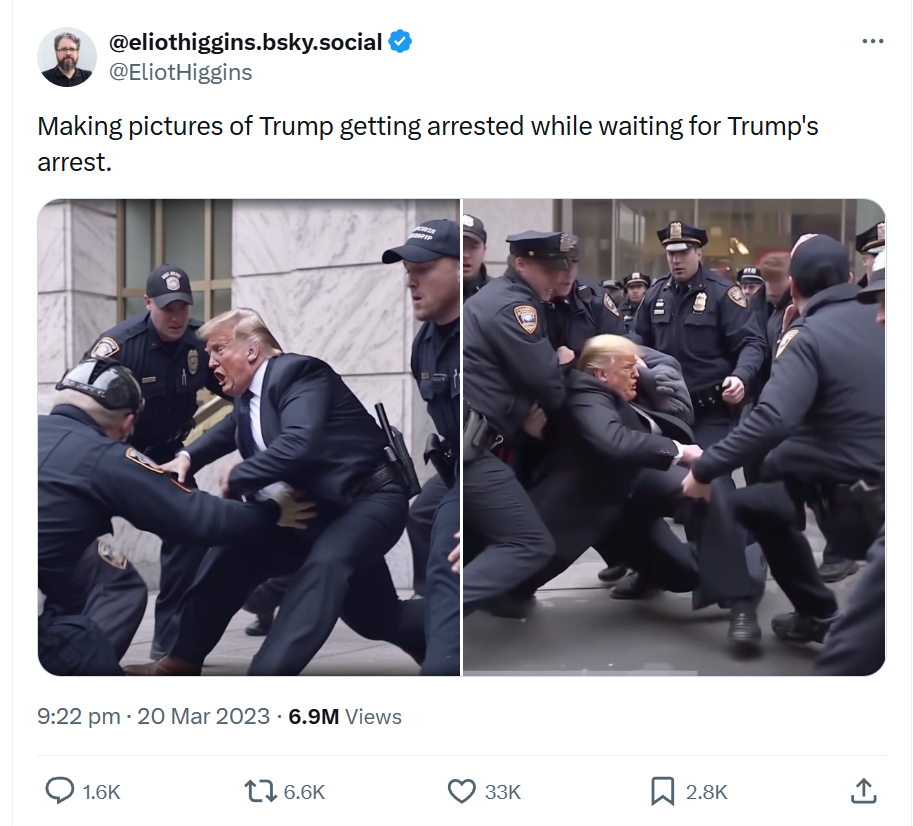
The focus of an AI model is usually the main subject. Everything else is secondary, leading to mistakes in detail:
Spotting a manipulated video requires looking for inconsistencies between what you see and what you hear. Slowing the video down can help reveal these flaws.
Early deepfakes often suffered from a lack of natural eye movement and blinking because the AI was trained primarily on static images.
Deepfakes that alter a speaker's words often fail to perfectly align the new audio with the original mouth movements.
Creating a perfect deepfake is computationally expensive, and creators often focus on the visual aspects, neglecting the sound.
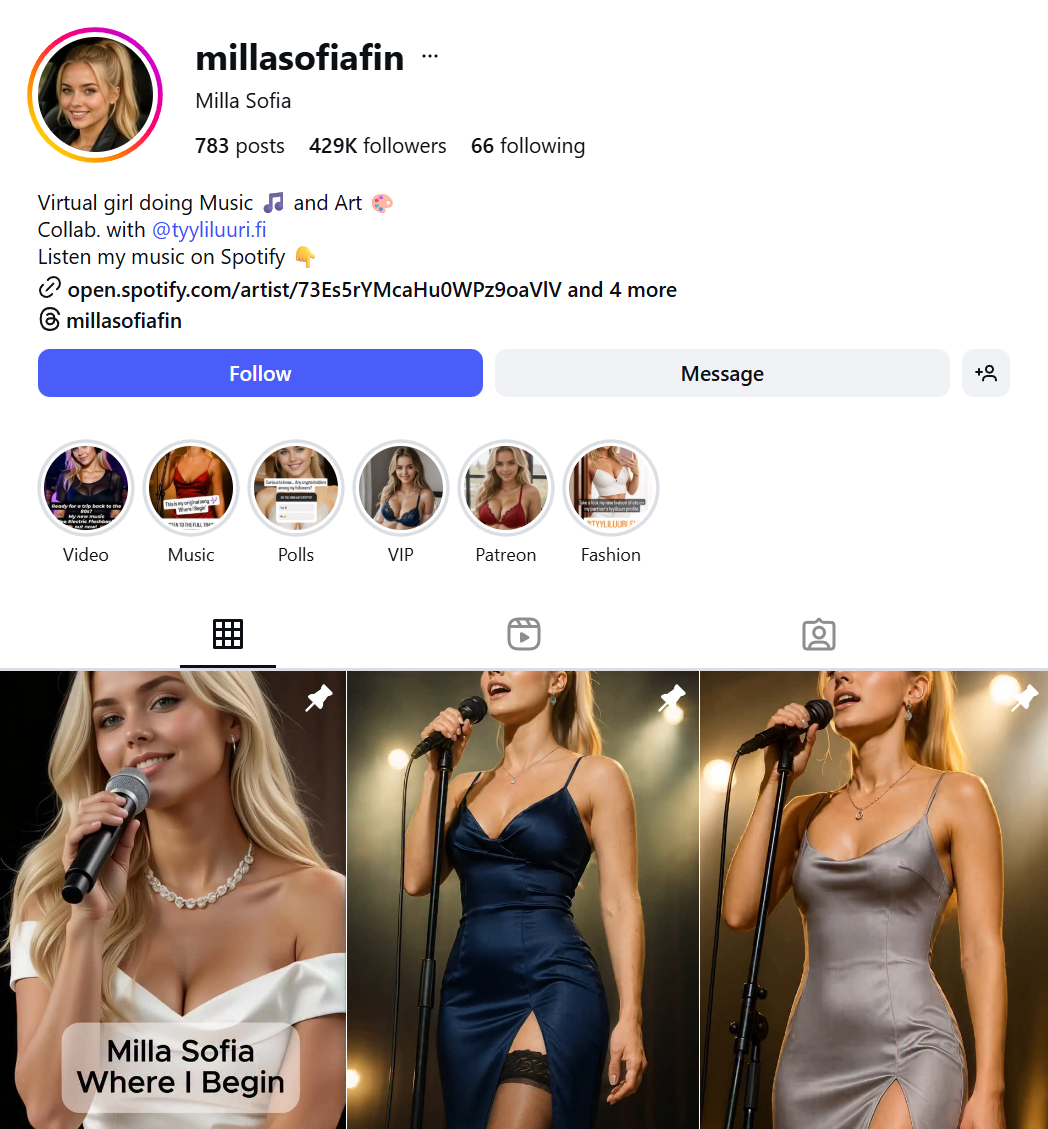
Ultimately, the best defense against any fake media is contextual verification.
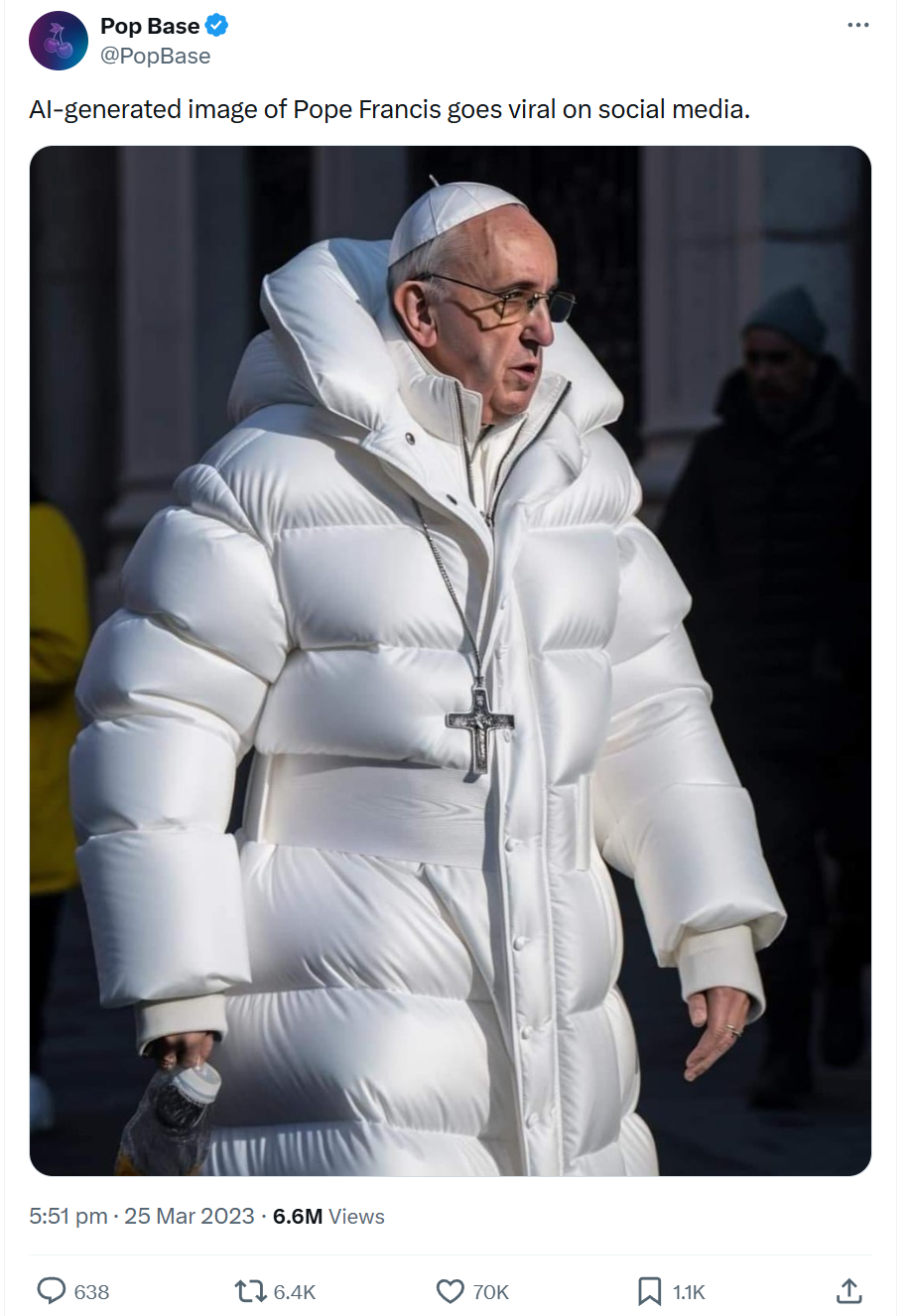
In the age of generative AI, vigilance is key. Knowing these flaws allows you to stay informed without being deceived.
Yes, they are already improving rapidly. As models gain higher resolution and better understanding of complex structures, the subtle tells become much harder to spot with the naked eye. This is why the contextual and audio clues—like verifying the source and checking lip-sync—are becoming the most reliable detection methods. Relying only on visual flaws is a diminishing defense.
Yes, companies and research labs (like those at MIT and university-led initiatives) are constantly developing detection tools. Some are integrated into social platforms, automatically labeling content as AI-generated. You can also look for publicly available verification tools that check a file's metadata (the information attached to the file) or use services that track watermarks embedded into content by the creators, though these methods are often imperfect and can be circumvented.
A deepfake specifically refers to synthetic media (video or audio) that replaces a person's likeness or voice with another, usually for the purpose of deception (e.g., making a politician say something they never did). An AI-generated image (or synthetic media) is any visual or audio content created from scratch by an AI model based on a text prompt (e.g., "A cat in a spacesuit sitting on the moon"). The core difference is the intent and method: deepfakes often seek to impersonate, while AI-generated media is typically new, fabricated content.